
Discovering Different Dimensions in the fashion world


Discovery is the main entry into human intelligence.Passion drives you to want to discover,connecting your mind and heart assigning a common purpose.The learning principle that resonated the most for me in reading “What video games have to teach us about learning and literacy” by James Paul Gee was the Discovery principle.For as long as I can remember fashion has been one of my main interests and a big part of my life.I enjoy watching fashion shows,reading fashion articles and of course love browsing online looking at pieces I want in hopes to spark the manifestation.When quarantine came along in 2020 it was incredibly hard for me to feel productive.When I notice i start having too much free time day to day i like to look for things to keep me occupied.I thought to myself I love clothes,I’ve bought and sold clothes but I haven’t created them yet.After days of pondering one day I decided it was time to start creating.The easiest part for me was putting ideas onto paper and envisioning designs,the hard part was bringing them onto physical form.I didn’t know anything about manufacturers and had little knowledge about textiles and materials which are the most important things in the fashion world.I realized I needed to Discover.I was so passionate but didn’t know where to start.I tried contacting people I knew who owned their own brands to no avail.The gatekeeping was insane.I realized I had to do it on my own and that’s exactly what I did.I read articles and watched countless videos,researched manufacturers and contacted them for quotes and policies.When the math was right and I finally found a manufacturer who understood my ideas everything was so much easier.Something that seemed impossible in the beginning was finally coming into fruition for me and now i see that it would’ve never been possible without the Discovery principle adhered onto my fashion literacy.
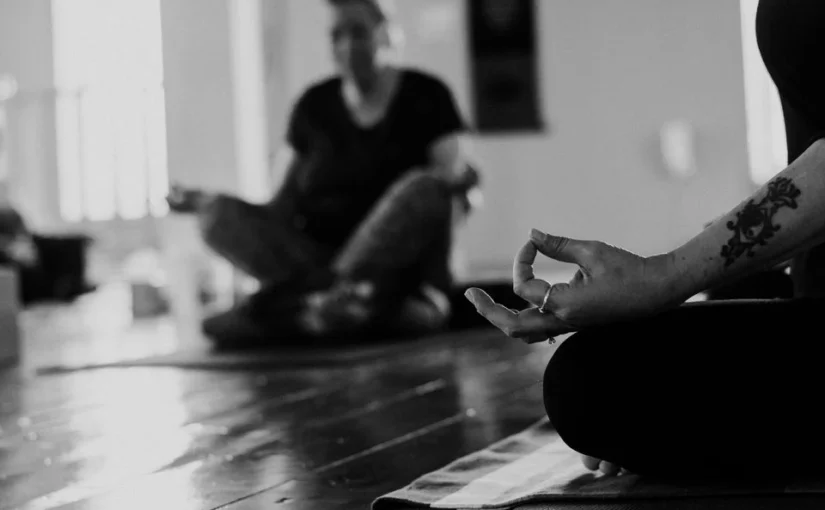
Yoga Wisdom: Uncovering Self-Discovery and Learning Paths

“Yoga is the journey of the self, through the self, to the self.

-The Bhagavad Gita

Multiple routes

James Paul Gee’s Multiple Routes Principle summarizes that different methods are available for learning. If one is not seeing progress with a certain method, try a different method. I found this principle most relatable. For instance, in my first year of college, I was a biology major and I had no idea how I was going to study because all I have heard about this major is how difficult it is. I went to the lectures and took notes as fast as I could so I could get every piece of information from the professor. However, I realized that I was getting more and more lost after a few lectures. I was stuck on the homework assignments as well. Some of my notes were messy and I ended up not being able to understand them. After that, I tried listening to the professor without taking notes and audio recording so I could take notes later from the recording. This worked for me as I was starting to understand the lectures better. I learned that this method is best for me to learn biology since it is such a heavy course. Taking notes from the recording allows me to focus on the initial lecture. My notes were also more organized because I could control the recording. I didn’t do this for my other courses because they weren’t as difficult as biology. As a college student, I think exploring different learning strategies is important for growth and success.

What does this do?

The learning principle from James Paul Gee’s “What Video Games Have to Teach Us About Learning & Literacy” that resonated the most with how I learn, is the probing principle. When I was in middle and high school, our teachers had us take a survey to see what type of learner we are (visual, auditory, kinesthetic, etc.) so they could use that information to help accommodate the class. With these surveys, and this information was by no means new to me, I ended up being a kinesthetic/ visual learner.
This relates to the probing principle in that I need to do something and try it out to then piece the puzzle together. I am also more of a math than English person, and to do math I can’t really explain it, I need to “probe” it and see what happens so I can eventually get to the product. In a video game context, in open world games or rpg’s, etc. you will see me talk to every npc to try and pieces stuff together. At times I don’t even pay attention to tutorials in the games, mainly because a tutorial can only do so much for me. I need to form my own hypothesis or come to my own conclusion by trying it out myself.
As Gee says, probing is to do something and then form a hypothesis based on that, and then do something again. In a video game context if you try and talk to a certain character you might get a piece of the storyline. You keep that information in mind, and talk to another character to see if the story you have in your mind plays out. For the math example, I would try out one method as to how I think I could get the answer. If it doesn’t seem to be working, I adjust. Either I try something new or maybe the original method had me on the right track and I change it a little.

Practice Principle

Out of the 36 learning principals “Practice Principle” stood out to me the most because it’s something that I can relate to the most. He highlighted “Learners get lots and lots of practice in a context where the practice is not boring”. Which to me means you get to do something you love by practicing it over and over to get better and you don’t get bored because it’s something you enjoy. This is something I do everyday which are two main things for me swimming and organizing. Swimming is something that I love to do and I just want to get better everyday for myself. By organizing I get to plan everything out and with more practice I get better with organizing things around and if something goes wrong I know I would try and figure things out for myself.

Practice Can Lead To Success

After reading James Paul Gee’s work, one of the learning principles that I can connect most with would be the practice principle. This learning principle explains that with more practice and experience with the things that interest you most, you can succeed. This principle works best with me in numerous ways, including school, work, and almost everything in my life. With school, if I do not understand a topic or something going on, I would just continue practicing different problems or ask others for help until I completely understand what I am learning. The learning process can be challenging and take time, but constant practice can help you understand. With a lot of practice with things that interest you, you can provide a better outcome than a topic with no interest. For work, I would pursue as much practice as possible to try to level up at the establishment. Without trying and putting in the effort, there will not be a successful outcome; however, more effort and practice put into the job can entail a better future with something I enjoy. Also, learning something can open your mind to new ideas that may not have been thought of, and more practice and experience can help you pursue what you enjoy. We continuously learn whether we are interested or not, but with more practice, a better understanding of something can provide a successful outcome.

Practice Makes Perfect

James Paul Gee’s practice principle highlights that it is significant to practice things you are interested in. Gee indicates that those spending lots of time on certain tasks that they enjoy and consistently practicing things that do not bore them will ultimately lead to their success. The practice principle resonates with me the most because I use it most frequently in my everyday life. I would like to say all the skills I have acquired are through practice. I believe everything I have gained a deep sense of knowledge on I have done so through thorough practice over a prolonged time. When practicing something boring or of little interest to you, staying motivated and wanting to advance in the task becomes hard. I enjoy drawing and painting. However, this skill did not come to me overnight. It took consistent practice and redos to finally achieve pieces of art I am satisfied with. My interest in getting better motivated me to continue making sketches, whether they came out how I wanted them to. This artistic literacy takes time and practice but allows me to understand the necessity of “trial and error.”Gee also mentions the ongoing learning principle, which, in my opinion, is necessary to ensure success. Our minds and ideas constantly grow as we grow; thus, we never stop learning. Personally, an example that relates to my daily life would be trends and social media in general. As time moves on, social media and trends continue to change, which, in turn, we adapt to. When social media evolves, and new media is created, I grow with it and unlearn old habits to get used to new ones. Developing a mastery of a certain skill by using ongoing learning and practice goes hand in hand. You need both to be successful, and both consist of working on something that gives you purpose and redefines what that purpose means to you.